
Βιδωτό καπάκι ή φελλός; Ποιο είναι καλύτερο για το κρασί;
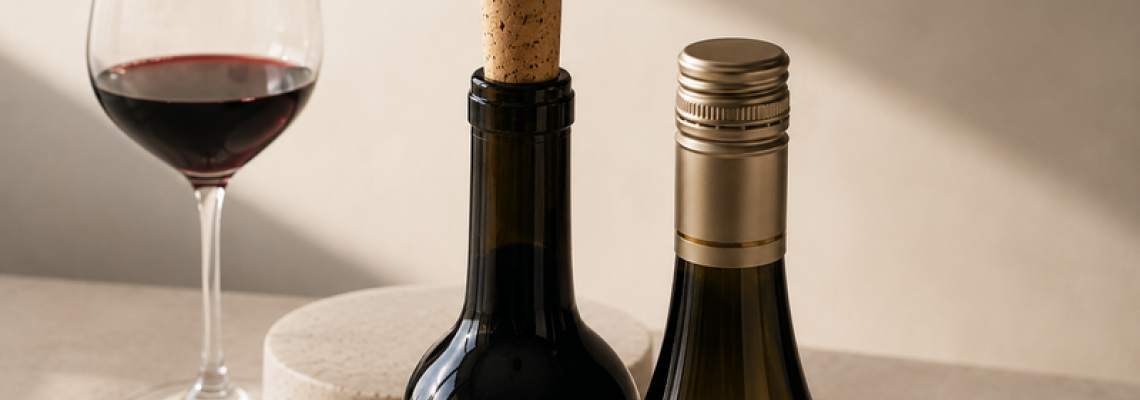
Βιδωτό καπάκι ή φελλός; Η αλήθεια πίσω από δύο διαφορετικές επιλογές
Αν έχετε αναρωτηθεί ποτέ γιατί κάποια κρασιά έχουν βιδωτό καπάκι ενώ άλλα φυσικό φελλό, δεν είστε οι μόνοι. Για πολλά χρόνια επικρατούσε η άποψη ότι το βιδωτό καπάκι χρησιμοποιείται μόνο σε οικονομικά κρασιά. Σήμερα όμως η πραγματικότητα είναι διαφορετική.
Πολλά κορυφαία οινοποιεία παγκοσμίως χρησιμοποιούν τόσο φυσικό φελλό όσο και βιδωτό καπάκι, επιλέγοντας κάθε φορά αυτό που ταιριάζει καλύτερα στο συγκεκριμένο κρασί.
Τι προσφέρει ο φυσικός φελλός;
Ο φυσικός φελλός χρησιμοποιείται εδώ και αιώνες και αποτελεί την πιο παραδοσιακή επιλογή. Επιτρέπει πολύ μικρή ανταλλαγή οξυγόνου με το περιβάλλον, κάτι που μπορεί να βοηθήσει ορισμένα κρασιά να εξελιχθούν σωστά κατά την παλαίωση.
Για τον λόγο αυτό χρησιμοποιείται συχνά σε κρασιά που προορίζονται να διατηρηθούν για πολλά χρόνια.
Πλεονεκτήματα του φυσικού φελλού
- Ιδανικός για πολλά κρασιά παλαίωσης.
- Αποτελεί μέρος της παράδοσης του κρασιού.
- Προσφέρει μια μοναδική εμπειρία κατά το άνοιγμα της φιάλης.
- Συνδέεται από πολλούς καταναλωτές με την υψηλή ποιότητα.
Τι προσφέρει το βιδωτό καπάκι;
Το βιδωτό καπάκι σχεδιάστηκε για να προσφέρει μεγαλύτερη σταθερότητα και καλύτερο έλεγχο κατά τη διατήρηση του κρασιού.
Περιορίζει σημαντικά την επαφή με το οξυγόνο, διατηρώντας τα αρώματα και τη φρεσκάδα, ιδιαίτερα σε λευκά, ροζέ και νεανικά ερυθρά κρασιά.
Πλεονεκτήματα του βιδωτού καπακιού
- Διατηρεί καλύτερα τα πρωτογενή αρώματα.
- Μειώνει σημαντικά τον κίνδυνο αλλοίωσης από τον φελλό (cork taint).
- Εξασφαλίζει μεγαλύτερη ομοιομορφία από φιάλη σε φιάλη.
- Ανοίγει εύκολα χωρίς ανοιχτήρι.
Είναι το βιδωτό καπάκι ένδειξη χαμηλής ποιότητας;
Όχι.
Αυτός είναι ίσως ο μεγαλύτερος μύθος γύρω από το κρασί.
Σήμερα πολλές κορυφαίες ετικέτες από τη Νέα Ζηλανδία, την Αυστραλία, την Αυστρία και τη Γερμανία εμφιαλώνονται αποκλειστικά με βιδωτό καπάκι, όχι επειδή είναι φθηνότερες, αλλά επειδή οι παραγωγοί θεωρούν ότι προστατεύει καλύτερα το στυλ του κρασιού τους.
Γιατί άλλοι οινοποιοί επιλέγουν φελλό και άλλοι καπάκι;
Η απάντηση βρίσκεται στη φιλοσοφία του κάθε παραγωγού.
Ένας οινοποιός που θέλει να δημιουργήσει ένα κρασί για παλαίωση πιθανόν να επιλέξει φυσικό φελλό.
Ένας άλλος που δίνει έμφαση στη φρεσκάδα, στα αρώματα και στη συνέπεια μεταξύ των φιαλών μπορεί να προτιμήσει βιδωτό καπάκι.
Δεν υπάρχει μία σωστή επιλογή. Υπάρχει μόνο η επιλογή που εξυπηρετεί καλύτερα τον χαρακτήρα του συγκεκριμένου κρασιού.
Τελικά ποιο είναι καλύτερο;
Η ποιότητα ενός κρασιού δεν καθορίζεται από το πώμα του.
Καθορίζεται από την ποιότητα του σταφυλιού, τη δουλειά του αμπελουργού, τις επιλογές του οινοποιού και τον τρόπο οινοποίησης.
Είτε πρόκειται για φυσικό φελλό είτε για βιδωτό καπάκι, η επιλογή γίνεται με τεχνικά και ποιοτικά κριτήρια και όχι με βάση το κόστος ή την αξία του κρασιού.