
Low & No Alcohol Wines: What They Are, How They’re Made, and When They Make Sense
23 Apr
Posted By
0 Comment(s)
197 View(s)
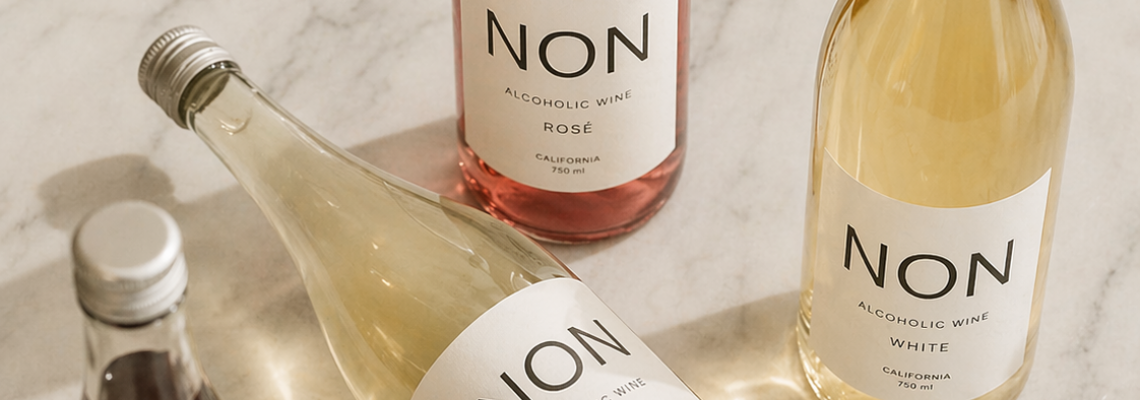
Low alcohol wines and non alcoholic wines are a fast-growing category in the wine market, with increasing interest around questions such as what is low alcohol wine, how is alcohol removed from wine, and what is the difference between low and no alcohol wine.
In general, low alcohol wines refer to wines with a reduced alcohol level (typically around 5–10% ABV), while non alcoholic wines contain little to no alcohol (usually up to 0.5% ABV). In most cases, these wines start as regular wines, and the alcohol is later removed through processes such as vacuum distillation or reverse osmosis, aiming to preserve as much of the original aroma and flavor profile as possible.
In general, low alcohol wines refer to wines with a reduced alcohol level (typically around 5–10% ABV), while non alcoholic wines contain little to no alcohol (usually up to 0.5% ABV). In most cases, these wines start as regular wines, and the alcohol is later removed through processes such as vacuum distillation or reverse osmosis, aiming to preserve as much of the original aroma and flavor profile as possible.
In terms of consumption, low and no alcohol wine options are most commonly found in white, rosé, and sparkling styles, where freshness and acidity help maintain balance even with reduced alcohol. Despite the growing popularity of searches like best low alcohol wines for summer or how to choose non alcoholic wine, this category is generally seen as an alternative choice for specific occasions rather than a replacement for traditional wine.
Classic wines with standard alcohol levels continue to define the core wine experience, where structure, body, and complexity play a key role. For those interested in exploring the category, trying different styles is the most effective way to understand the differences in taste, aroma, and overall balance.
Classic wines with standard alcohol levels continue to define the core wine experience, where structure, body, and complexity play a key role. For those interested in exploring the category, trying different styles is the most effective way to understand the differences in taste, aroma, and overall balance.